Okay, here's what I found out. This question was recently addressed by the owner of Optimum Car Care, one of the premier manufacturers of very high quality products. Here is his response:
Thank you for bringing up this question. There is a great deal of confusion regarding polishing or waxing fresh paint. The majority of refinish paint supplied by PPG, Dupont, Sherwin Williams, and BASF (which covers over 90% of the market) is two component polyurethane paint. One component is polyisocyanate and the second component is polyol (acrylic polyol or polyester polyol). Whether these are waterborne (due to EPA requirements) or solvent borne (majority of what is still being used) once the two components react and form a polymer it is not affected by most solvents (with the exception of paint removers such as methylene chloride).
As far as polishing goes, factory paint is baked and cured rapidly and is polished as it comes out of the paint booth. Refinish paint is generally not baked and is polished within a day of being painted. So polishing paint that is at least a day old is perfectly fine.
While refinish paint is about 90% cured within 24 hours, it does take up to 30 days for it to fully crosslink and cure. During this period, using solvent based waxes and sealants is not ideal since the solvents penetrate the paint and soften it and if the wax or sealant contains abrasives (the white powdery residue that is wiped off), it can cause micro marring on the softened paint. The best products to use during this period are therefore water based systems that are abrasive-free.
To sum these up, on paint that is less than one month old, you can use water based waxes or sealants that have no petroleum solvents or abrasives (leave no powdery residue). I hope that answers your question.
...
There is a huge difference (a couple of hundred degrees) between factory baking the entire painted body vs. bodyshops heating the painted panels.
There is one other factor that needs to be pointed out regarding refinish paint. Bodyshops use 10-20% more isocyanate component (hardener) than the polyol component. The reaction between these two (isocyanate and alcohol) is fairly rapid and that accounts for the 90% curing rate of the refinish paint within 24 hours.
However, there is about 10-20% unreacted isocyanate left in the paint. Some of these isocyanate groups slowly react with moisture (hence the term moisture cure) and form amine groups (releasing CO2). The newly formed amine groups rapidly react with isocyanate groups to form urea (or polyurea as a whole). Polyurea is much harder than polyurethane.
As I mentioned, this reaction takes more time and requires moisture for completion. Adding solvents to the paint hinders this reaction while water-based products can help the curing process.


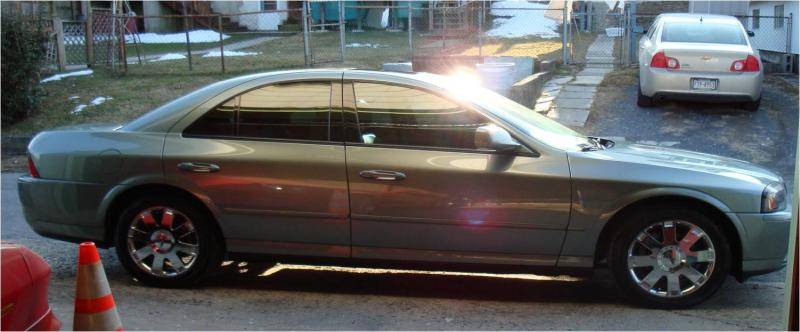
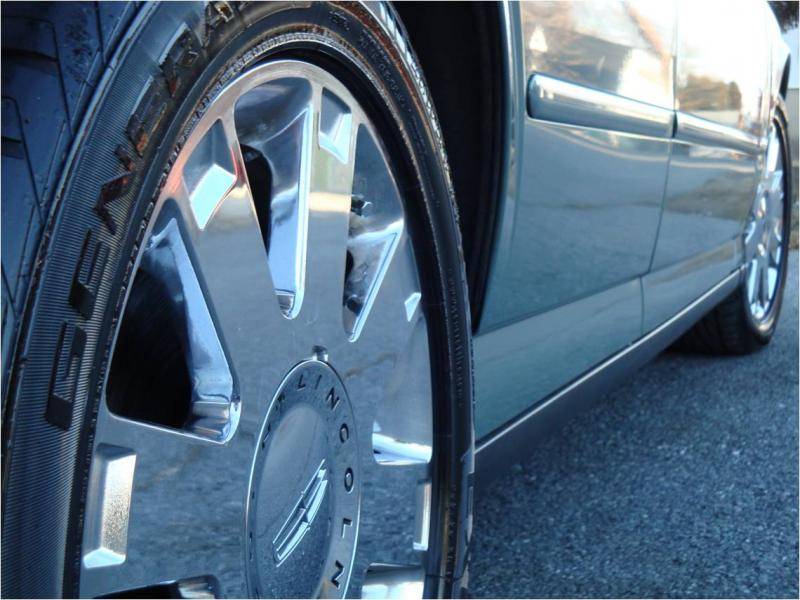
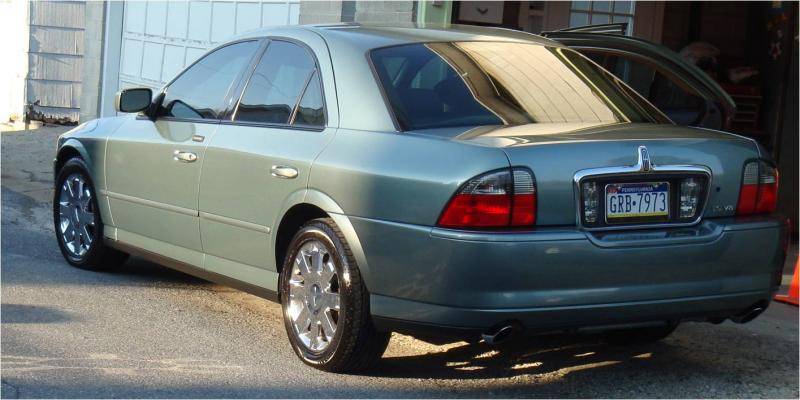
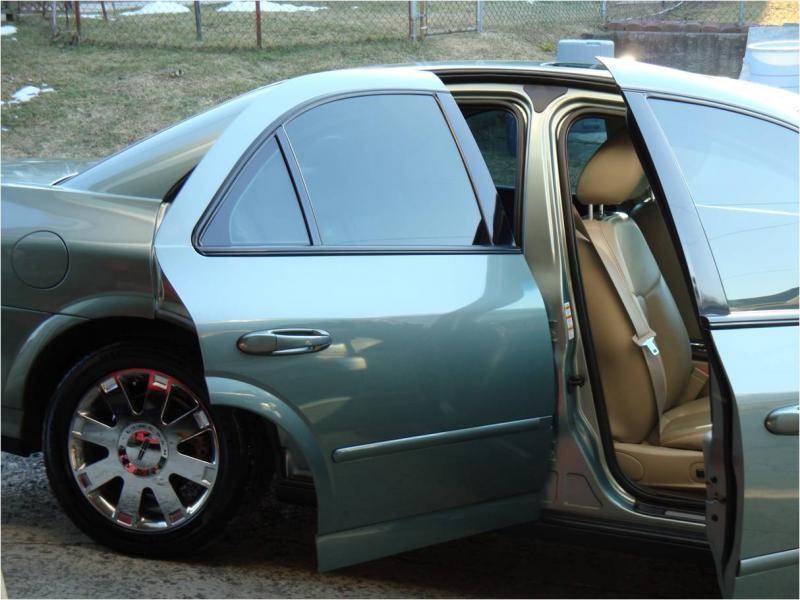
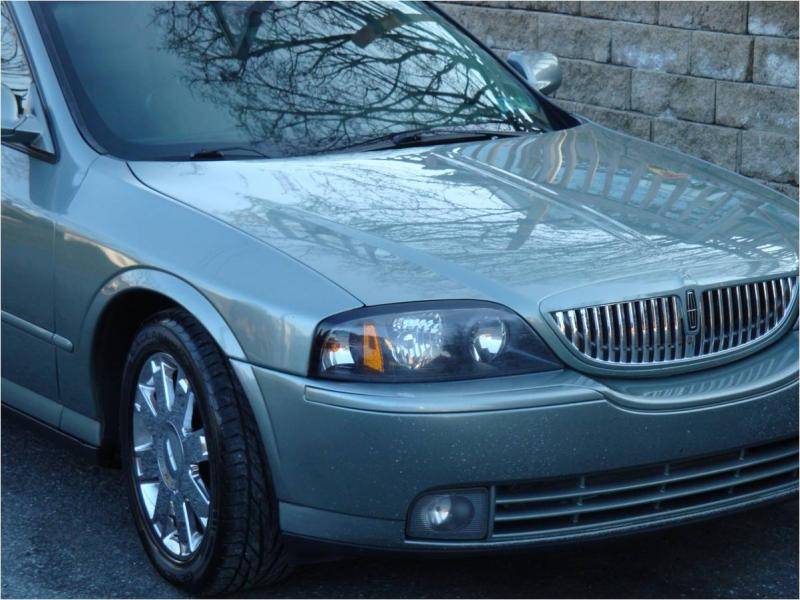
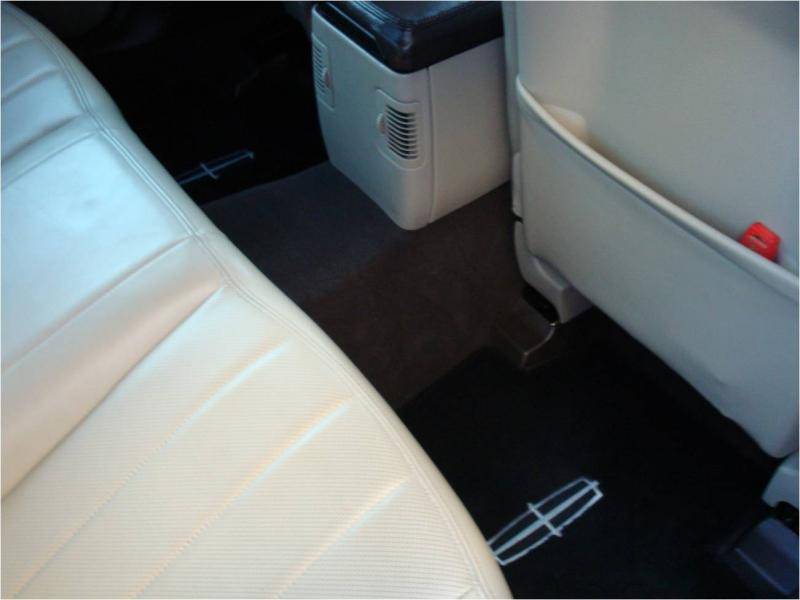
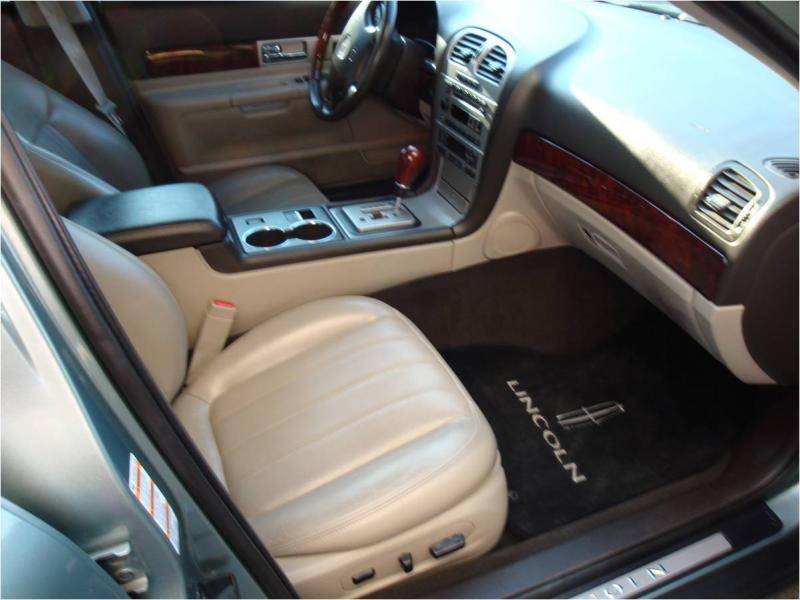
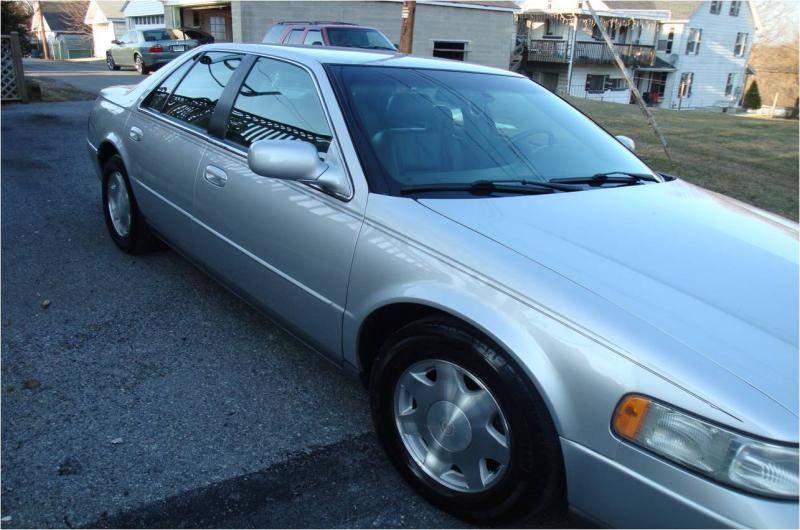


 . They also heavily salt the road so in the winter I can hear it hitting my car the whole drive...that sucks. As soon as I get some extra cash I'm gonna put on an LSE bumper...The problem I have is that I would get the bumper, paint it, put it on, and then it would get beat to crap again. My plan is to get the bumper, have it painted and off the car for 90+ days, install those pre-cut 3m clear bras and THEN finally install it on my car....Unfortunately, waiting 3 months would suck and a new LSE bumper, paint, install, and the 3m clear bra stuff/install would run me about $1,500


 i wrecked mine and its at the body shop getting fixed but few surprises is am installing the lse bumper and grille. i love the color ladies love it guys hate it (dont care do)..chick magnet

