Blueberryyum02
Well-Known LVC Member
Is there a way to see if the auxiliary water pump is coming on. While bleeding the system I notice that at idle with the system closed up and the heater bleeder screw out I barly get a trickle of coolant out, of it. Even when I apply gas and raise the RPM it looks as if it's sucking inward instead of pushing coolant out.
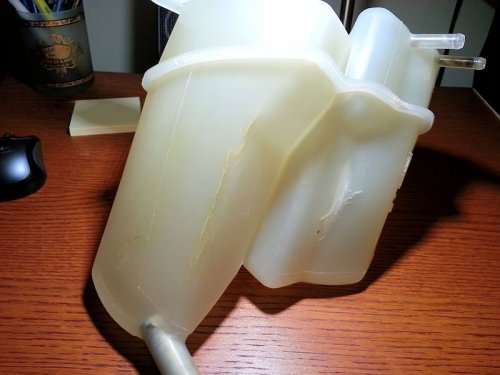
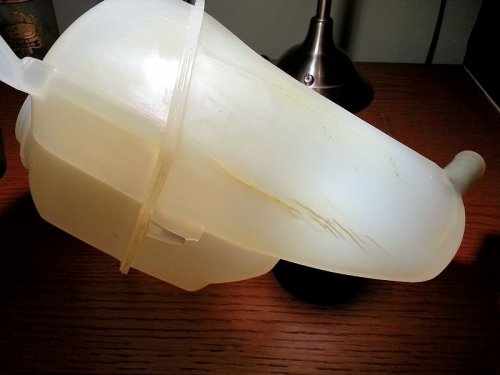
I guess I did the bleed procedure right, I followed the direction as best describe. All coolant tubing is brand new, hoses etc. the only thing I didn't change out is the degassing bottle. The car is not over heating i have heat,
I just can't seem to get the stream of coolant out of the heater bleed,
The procedure that's posted is very shallow on what to do,but I expect that from the manufacture, as they want you to go to the dealer and hook it up to the machine and charge you life support and heart transplant money.
I checked the red wire with yellow stripe and I'm getting voltage on that wire. Just trying to narrow this thing down. And the stealership is not a option, cause I'm not shy at getting my hands dirty turning wrench.
Any and all help or suggestions will be gratefully appreciated.
I guess I did the bleed procedure right, I followed the direction as best describe. All coolant tubing is brand new, hoses etc. the only thing I didn't change out is the degassing bottle. The car is not over heating i have heat,
I just can't seem to get the stream of coolant out of the heater bleed,
The procedure that's posted is very shallow on what to do,but I expect that from the manufacture, as they want you to go to the dealer and hook it up to the machine and charge you life support and heart transplant money.
I checked the red wire with yellow stripe and I'm getting voltage on that wire. Just trying to narrow this thing down. And the stealership is not a option, cause I'm not shy at getting my hands dirty turning wrench.
Any and all help or suggestions will be gratefully appreciated.